
The Iranian Salt Men (also referred to as Salt Mummies) represent a unique assemblage of naturally mummified human remains recovered from the ancient Chehrābād salt mine in northwestern Iran, approximately 75 km northwest of Zanjan. The remains of eight individuals, preserved through rapid desiccation in a hypersaline environment, constitute the only known examples of salt-preserved human mummies worldwide. Dating primarily to the Achaemenid period and the Parthian–Sasanian periods, the remains offer exceptional insights into ancient Persian mining practices, labor organization, diet, health, and inter-regional mobility during periods of imperial expansion and consolidation.
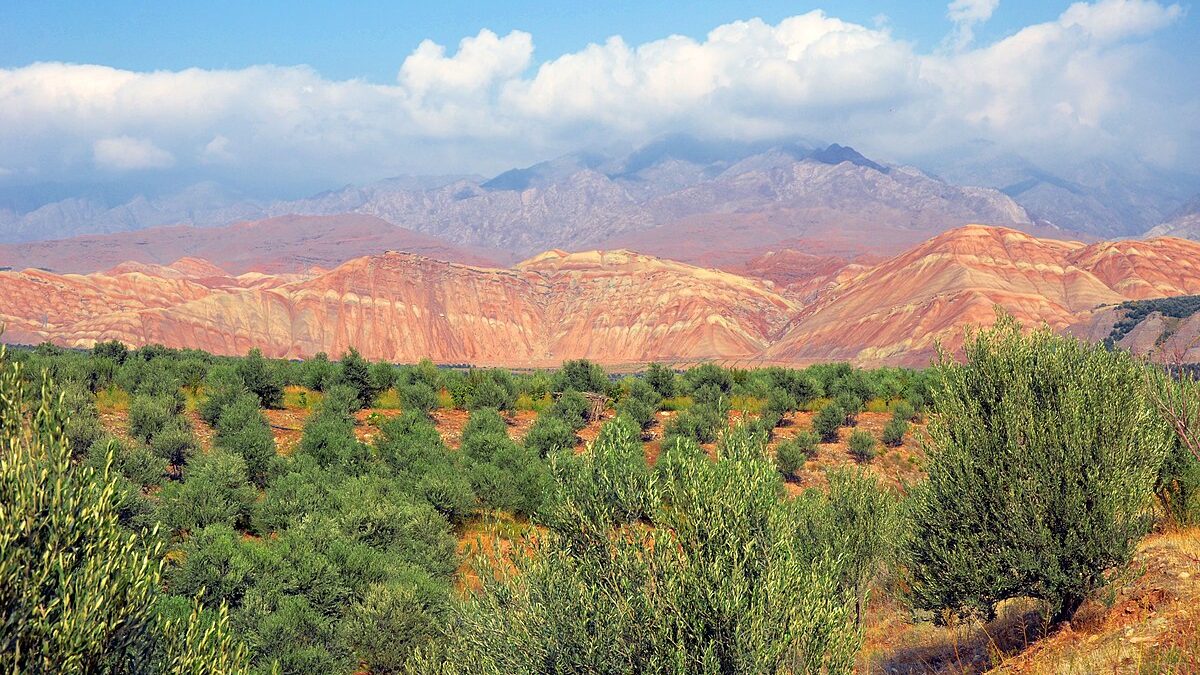
Salt extraction at Chehrābād was a high-value economic activity in antiquity, essential for food preservation, trade, and ritual purposes. Miners operated in pillar-and-chamber systems without extensive timber supports, rendering the tunnels prone to catastrophic collapses—a hazard that claimed the lives of the eight individuals represented in the assemblage.
Discovery and Archaeological Timeline
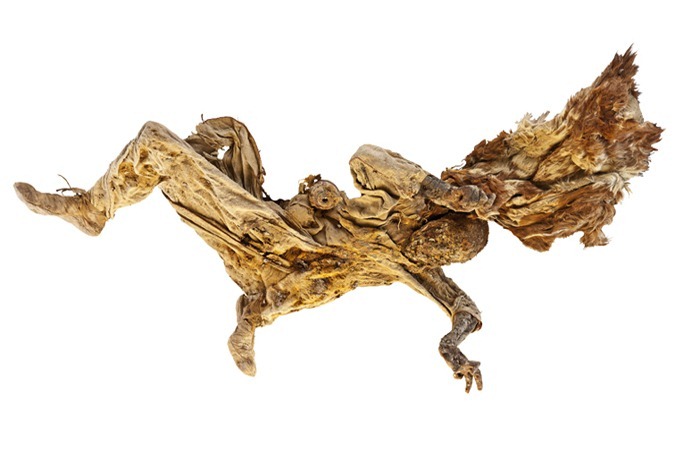
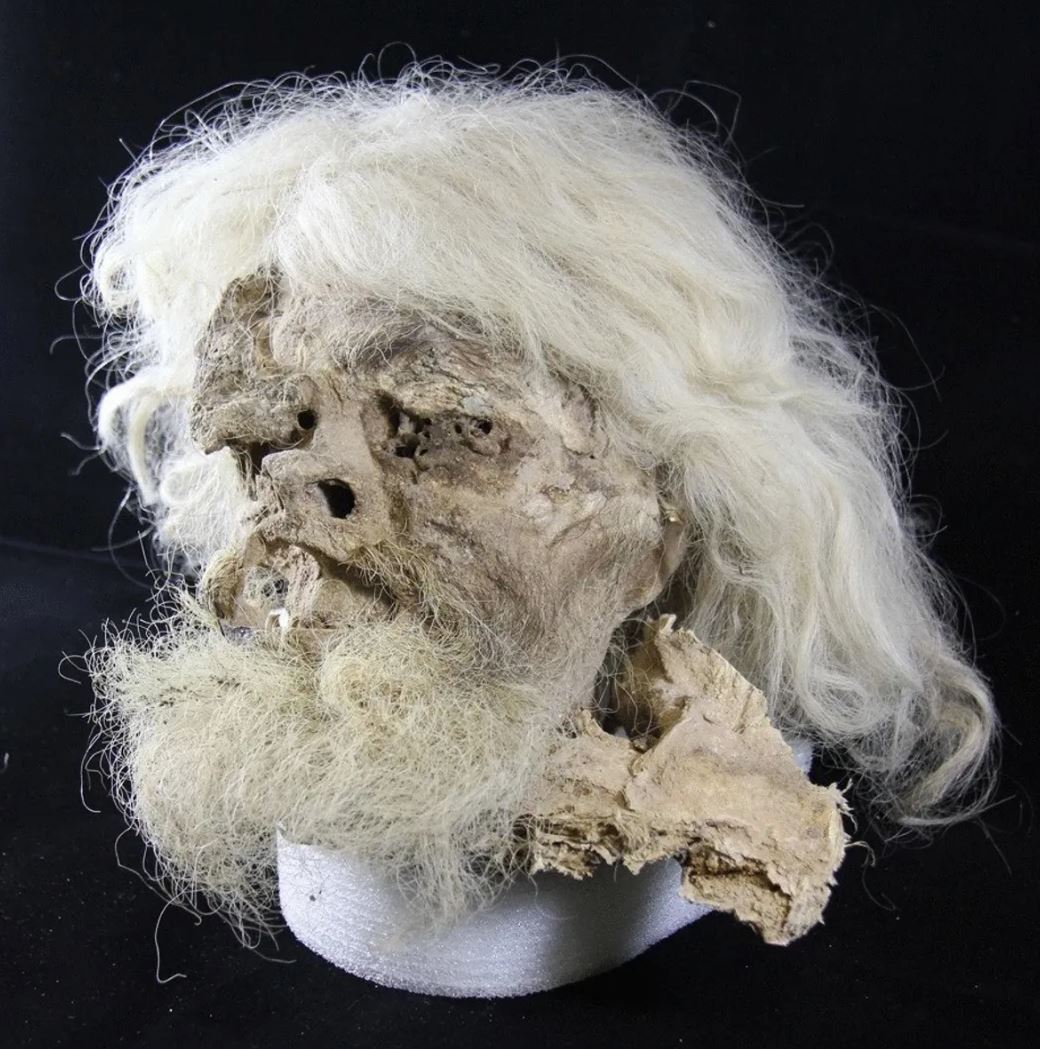
The initial discovery occurred during commercial salt mining in 1993, when the first individual (Salt Man 1 / SM1) was encountered. This well-preserved body, featuring intact hair, beard, leather footwear, and a gold earring, prompted immediate documentation. Subsequent finds in 2004 yielded Salt Man 2 (largely skeletal with preserved soft tissue) and Salt Man 3 (highly fragmented under a salt block). In 2005, excavations revealed two additional well-preserved mummies, including Salt Man 4 (a juvenile male aged approximately 15–16 years). A sixth individual was documented in 2010.
Following these discoveries, commercial extraction was curtailed in 2008, and the site was designated an archaeological research area. No new mummies or major additional discoveries have been reported since 2010.
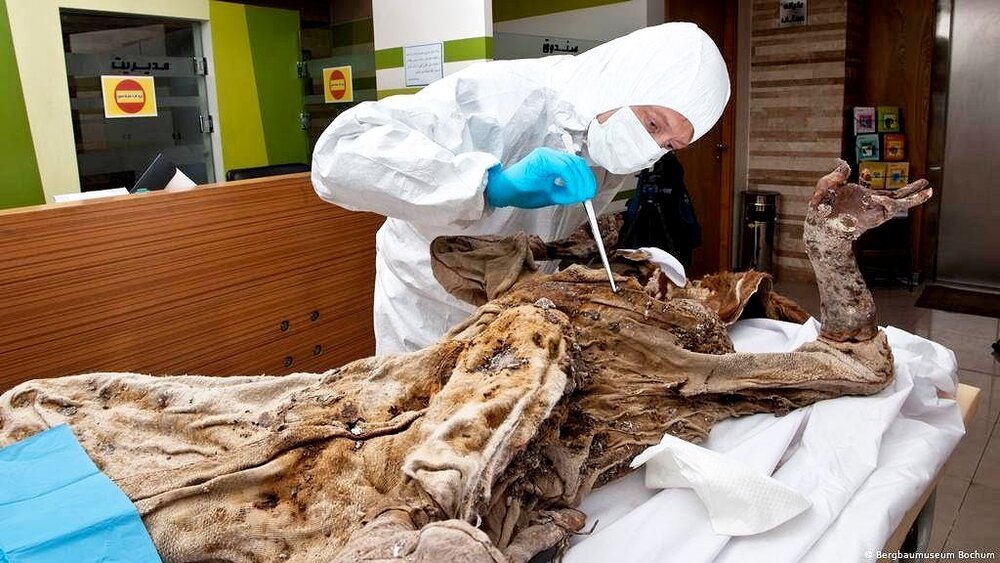
Systematic interdisciplinary investigations commenced in 2006 under Zanjan Archaeological Museum, in collaboration the German Mining Museum, Bochum, and international partners from the University of Oxford and the University of Zurich. Major fieldwork campaigns occurred between 2010 and 2017, integrating mining archaeology, bioarchaeology, and geochemistry. Reappraisals of scattered remains have increased the minimum number of distinct individuals to eight. The mummies are now conserved primarily at the Zanjan Salt Men Museum, with select specimens at the National Museum of Iran.
Scientific Analyses and Key Results
The exceptional state of preservation of the bodies has allowed researches to employ a wide range of scientific research techniques to date the remains, determine the cause of death, their diet and health, and geographic origins:
Radiocarbon dating has established a chronological range spanning the Achaemenid (ca. 410–350 BCE for several individuals, including SM4) and Parthian–Sasanian eras (ca. 3rd–7th centuries CE for others, including SM1). CT scans have documented extensive perimortem trauma, including multiple fractures, vertebral compressions, and dislocations consistent with fatal cave-ins.
The salt in their environment almost completely stopped decay of the remains, allowing soft tissues including skin, hair and beards, and parts of the brain, lungs and intestines to be preserved. Tapeworm eggs were found in the surviving intestines, indicating dietary consumption of raw or undercooked meat and providing the earliest documented evidence of intestinal parasitism in ancient Iran.
Stable isotope analyses (¹³C and ¹⁵N) of hair, bone, and dental tissues reveal diverse geographic origins among the miners, encompassing the Iranian Central Plateau, northeastern steppe regions, and Caspian coastal zones—suggesting labor recruitment from across imperial territories.
The most recent major study, published in 2024 in the Journal of World Prehistory, pulls together more than 12 years of research and considers the landscape context of the mine, examining how salt extraction was organized, how miners lived day-to-day, and how the mine fitted into ancient trade and economy networks.
 Muddy.News